
Visual marketing trends matter because experienced online marketers know the old saying “a picture is worth a thousand words” undersells images. Online, a good picture is worth far more than that.
People take in images remarkably fast. In fact, MIT neuroscientists found that the human brain can process entire images seen for as little as 13 milliseconds. That speed serves us well when we move through busy places, such as a Joburg highway at rush hour.
However, words still matter, and using them well is a real skill. Online marketing and novel writing are also very different jobs. In the world of buying, selling and browsing, strong visuals get noticed first.
Why visual marketing trends matter for SMEs
Keeping up with visual marketing trends is a real need for business owners. It becomes urgent when you compete in e-commerce, because much of how we communicate is non-verbal. Your visuals often make the first impression before anyone reads a line.
Of course, very few people would say words aren’t critical. If you love words and tight writing, those skills are in high demand right now. Still, the first job online is to get people to stop scrolling and give your words a chance.
That’s why your visuals need to carry your value proposition at a glance. Here are seven trends to know as you take your business further.
1. Infographics
Think of infographics as a midway point between words and images. Technology publications often use them to show numbers in terms of everyday experience. Their message skips past the written word and lands with the reader straight away.
Simply put, a well-made infographic shows scale quickly. It also offers a visual comparison that holds the attention of anyone interested in the topic.
Finance publications use infographics well, too. As well as showing scale, they benefit from the pull of currency symbols, such as the R for Rand. Those markers signal readers to slow down and not skip past important information.
Need proof? Spend some time at your local supermarket watching how shoppers are steered by discount and special-offer signage.
2. Animation and video
Few things catch the eye faster than motion. Designers use this in social media and online content to draw attention without being intrusive. They also recognise that audiences want to stay in control of their experience, which has sparked creativity with restraint.
Video platforms offer a useful lesson here. YouTube, TikTok and similar services grew popular with younger audiences precisely because they suited short attention spans. Yet many viewers resent ads they can’t skip.
So when you plan video marketing for your company, keep that lesson in mind. Short, skippable and useful beats long and forced every time.
We’re also well past the era of Flash. Designers long ago dropped the idea that users would download special software to view their work. Most people leave the moment they’re asked to do extra work for your design. Instead, SVG files, HTML5 and lightweight code now create smooth movement that loads fast on any phone.
3. More use of gradients
For now, at least, our heavy screen use has brought back colour gradients. Images that shift gradually from one colour or shade to the next guide the viewer’s eye in the direction you want.
In earlier decades, gradients often looked poor on low-resolution screens. That visible “banding” has since mostly disappeared, thanks to the higher screen resolutions on everyday devices.
As a result, designers now use gradients in both obvious and subtle ways. Most people can spot a gradient used as a background. However, designers increasingly use them in logos, presentations, brand books and even business cards.
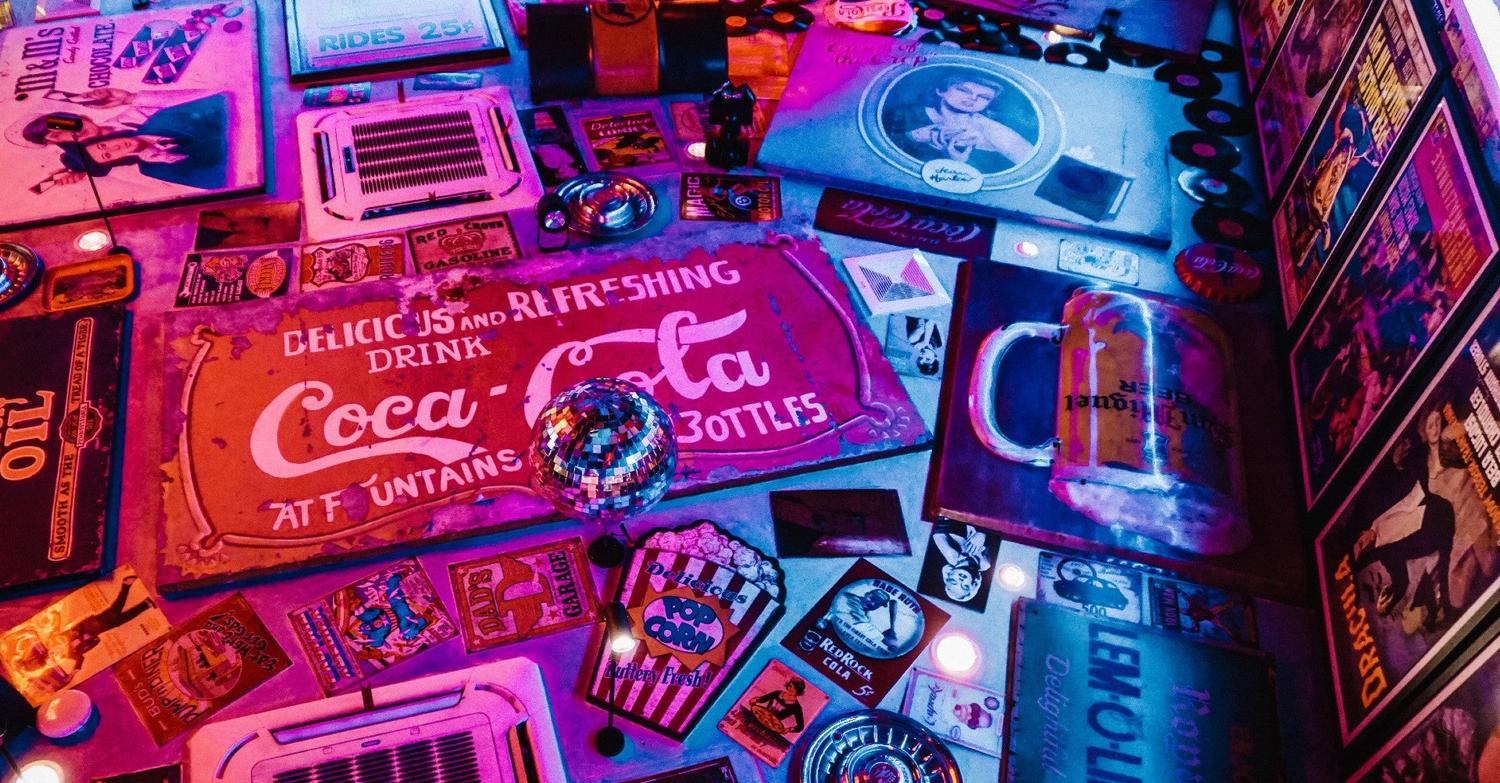
4. Nostalgia
Tough times tend to create a strong appetite for “simpler” days. Never mind that this common reaction usually overlooks the harsher realities of the past.
For example, car enthusiasts often complain about the boxy look of modern vehicles. They miss the era of tail fins and big engines. Of course, it’s easier to be sentimental once you forget about better fuel efficiency, safety features and satellite navigation.
So it’s no surprise that the Covid-19 pandemic, followed by high inflation and other economic pressure, sparked more nostalgia in visuals. Even when people read business publications on a tablet, their eyes are drawn to images with a touch of the past.
A well-known example of nostalgia marketing is the Nintendo Classic Mini, launched in 2016. The retro games console struck a chord with young adults who grew up with simple games, basic graphics and clunky controls. It sold out quickly, which shows how strong the pull of the past can be.
5. Show your charitable and community commitment
Almost everyone is trying to sell online. However, not everyone is making a positive contribution to the communities where they operate.
The rise of Millennials and Gen Z in the workforce is one reason for a growing focus on doing business for the benefit of others. So what does this have to do with visual imagery? As it turns out, plenty.
Marketers are finding that many consumers want more than quality products at fair prices. They also want to support businesses that improve lives beyond the bottom line. The buying data backs this up. McKinsey and NielsenIQ found that US consumer products making ESG-related claims grew 28% over five years, against 20% for products without such claims.
This trend is admittedly tricky to handle. Yes, you can (and should) use photos and other imagery to show your company’s commitments. For instance, a Cape Town caterer might share real photos of staff volunteering at a local school feeding scheme.
That said, don’t overplay your hand. You don’t want to come across as a poser. Zappos is often cited as a business that builds its commitment to people into everything it does, including its imagery.
Is your marketing turning attention into sales? Take the free Business Health Check. It takes about 3 minutes, asks 10 questions and shows whether sales and growth are where your business needs attention first.
6. Consistency, balanced by variety
Through repetition, your brand needs clear visual guardrails to keep and strengthen its online identity. However, you’ll also want to tell your designers when it’s fine to go a little off-road.
As with community messaging above, there’s a balancing act between consistency and variety. It needs careful attention to detail.
For example, you’ll want your designers to apply new trends within the standards set in your brand book. In short, that guide should show where rules can’t be broken (colours, fonts, logos) and where there’s room to play. At the same time, give your team, in-house or outsourced, freedom to try new approaches so your message doesn’t grow stale.
It also helps to check what others in your market are doing. A simple competitor analysis framework shows where your visuals blend in and where they could stand out.
7. QR codes
Say you need to share a lot of detail about a product, service or upcoming event. The detail is aimed at people who have already shown some interest. Yet the space you’re using doesn’t allow long blocks of text.
For example, suppose your company has paid for a stand at an upcoming trade show. Of course, you’ll promote the chance to meet face to face through blog articles, LinkedIn posts and social media. But why not also add a pointer on packing slips, email receipts and invoices? All you need is a catchy line and a QR code.
Custom QR codes share a lot of information without long text. More consumers now use their smartphones this way to engage with brands. They like the freedom to find out more (or not) without wading through what they see as hype.
QR codes also work well after the sale. A code on a delivery note that links to a reorder page or a short feedback form supports your customer retention strategies at almost no cost.
How to apply visual marketing trends without a big budget
You don’t need to chase every trend. Instead, choose the two or three that suit your customers and your brand, and do them well.
| Trend | Best for | Low-cost first step |
|---|---|---|
| Infographics | Explaining numbers or processes | Turn one popular blog post into a one-page graphic |
| Animation and video | Social media and product demos | Record a 30-second product clip on a phone |
| Gradients | Refreshing a dated look | Update social media templates within brand colours |
| Nostalgia | Established brands with history | Share a “then and now” photo of your business |
| Community commitment | Businesses with real local projects | Post genuine photos of one initiative |
| Consistency and variety | Every business | Write a one-page brand guide |
| QR codes | Events, packaging and invoices | Add a code to delivery notes linking to reorders |
Frequently asked questions
What are the main visual marketing trends for small businesses?
Key visual marketing trends include infographics, short video and animation, colour gradients and nostalgic imagery. Others are visible community commitment, a consistent brand look with room for variety, and QR codes. Small businesses don’t need all of them. Pick the ones that suit your customers and apply them consistently.
Why are visuals so important in online marketing?
People process images extremely quickly, so visuals decide whether someone stops scrolling. Research from MIT found the brain can process an image seen for just 13 milliseconds. As a result, strong visuals earn the attention your words need to explain your offer and persuade a buyer.
Should a small business outsource its visual design?
Often, yes. Freelance and agency design services now suit businesses of every size. A practical approach is to outsource your brand guide and key templates, then let your team create everyday posts within those rules. That keeps costs down while your brand still looks consistent and professional.
Next step: turn visual marketing trends into sales
Many SME owners share a similar complaint: “I didn’t start this business thinking I’d need an army of graphic designers just to compete online.”
That feeling is completely understandable. Still, it ignores the fact that millions of potential customers now use their smartphones to save time and trips. Thankfully, design services of every size have sprung up to meet the need. With a bit of digging, you can outsource much of this work to an experienced expert.
So don’t sell yourself short by skipping this budget item. If you offer good products or services at fair prices, a focus on current visual marketing trends helps you stop the fast-scrolling thumb. With the right mix of useful information and arresting imagery, people will give you more than half a second of attention.
To see how your sales and growth measure up, take the free Business Health Check. It takes about 3 minutes.
If you’d like help linking your marketing to clear sales goals, book a 30-minute call. You can also see how Edvysor for business tracks growth targets and the actions behind them, week by week.
Last updated: 24 September 2026
