
Analytics tools for consultants can show where a client might need more help. They can’t make the case for you, though. Upselling is an important part of any advisory practice. Done well, it raises revenue and strengthens client relationships at the same time, because the client gets more value.
However, upselling isn’t about pushing more expensive services. It’s about understanding the client’s needs and recommending solutions that genuinely help.
That takes a deep understanding of both the client’s business and your own offering. So this article looks at what analytics can and can’t do. It also shows how to combine data with human insight to grow client work honestly.
Understanding consultant upselling
Consultant upselling means encouraging clients to take on more advanced or wider services than they first bought. In a competitive market, it’s one of the most practical ways for an advisory practice to grow.
Keeping and growing existing clients also pays off. Harvard Business Review cites Bain & Company research: a 5% rise in customer retention can lift profits by 25% to 95%. The same article notes that acquiring a new customer can cost five to 25 times more than keeping one.
Without real understanding of the client, though, upselling comes across as insincere or pushy. That damages trust quickly. Effective upselling therefore combines strategic thinking, clear communication and a genuine commitment to the client’s success. Analytics tools are one piece of that puzzle, but only one.
The role of analytics tools for consultants in upselling
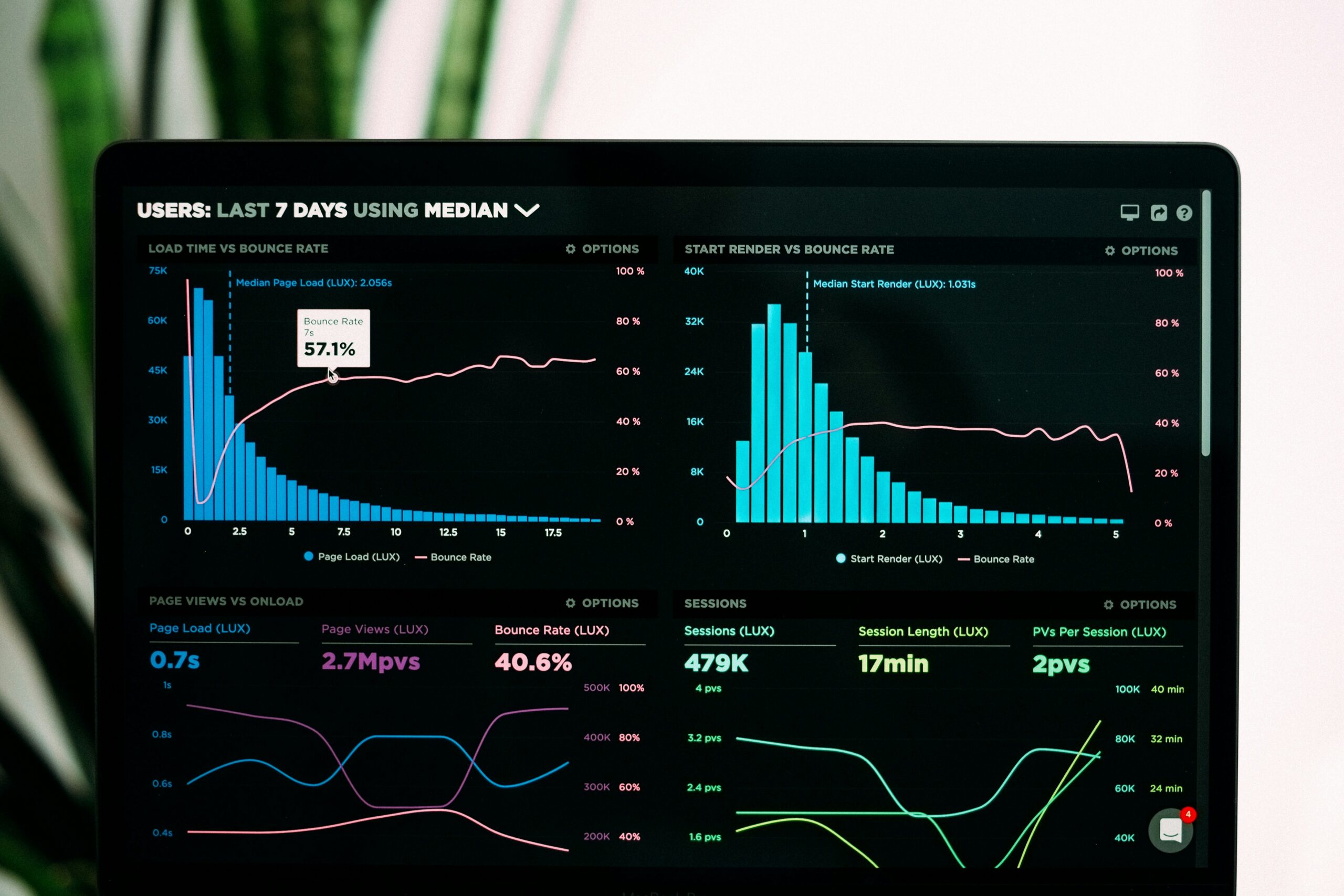
Analytics tools have changed many parts of business, including how consultants spot growth opportunities. They process large amounts of data and find patterns people would miss. As a result, analytics tools for consultants can reveal client behaviour, preferences and likely needs.
For instance, analytics can track which services a client uses most. It can also flag which clients are likely to benefit from extra support. That makes it easier to shape a targeted proposal that resonates.
Analytics also helps you measure your own upselling efforts. Over time, you can see which offers land and refine your approach.
However, analytics isn’t infallible. Data can be misread, and tools can produce false positives. They also miss subtle signals a person would notice in the room. So treat analytics as a powerful input that works alongside your judgement and experience.
Common misconceptions about analytics tools
“Analytics is a one-stop solution”
One common belief is that analytics tools solve every business challenge. In reality, they assist human decision-making. They don’t replace intelligence, creativity or the client relationship.
“More data means better decisions”
Another belief is that more data always leads to better decisions. In fact, quality matters far more than quantity. Poor-quality data leads to wrong conclusions and misguided recommendations. According to Gartner, poor data quality costs organisations at least US$12.9 million a year on average. So check that the data you’re using is accurate and relevant before you act on it.
“Analytics can predict the future”
Finally, some believe analytics predicts the future precisely. Tools can identify trends and make educated estimates. Still, they can’t account for every variable. A new competitor, a key resignation or a sudden rand move can change everything. Human judgement is essential for interpreting what the data means.
The importance of human insight in upselling
Human insight plays a central role in upselling. Analytics provides data, but it can’t read the nuances of behaviour and emotion. Consultants bring empathy and intuition. They read between the lines, notice unspoken cues and build real relationships.
For example, picture a client who seems hesitant about a service the data says is a perfect fit. A conversation might reveal a finance director worried about cash flow this quarter. Once you know that, you can address the concern directly, perhaps by phasing the work. That personal attention often decides whether the proposal succeeds.
Human insight also lets you adapt in real time. Dashboards show what has happened. In contrast, a consultant can respond to changing circumstances and client feedback as they happen. That flexibility keeps relationships strong.
Do you track your own practice’s numbers as closely as your clients’? Take the free Business Health Check. It takes about 3 minutes, with 10 questions, and shows where your planning, reporting and performance tracking stand.
Two illustrative scenarios: data plus insight
Take a typical consulting firm that relies heavily on analytics but struggles to grow existing accounts. Despite plenty of data, clients don’t respond to its proposals. Then the firm adds regular check-in calls and more personalised communication. Soon, clients start to engage, because the recommendations now reflect what they actually care about.
Now picture a consultant working with a large retail client. Analytics highlights a possible opportunity in stock management. However, it’s the consultant’s understanding of the client’s pain points that turns the insight into a proposal. Because the solution fits the client’s real problem, the client says yes.
Both scenarios point to the same lesson. Analytics provides the foundation, while the consultant’s expertise and relationship drive the result.
Integrating analytics tools for consultants with personal relationships
The key to successful upselling is combining data-driven insight with strong relationships. Analytics tools for consultants surface information, but your job is to interpret it and use it to build trust.
One effective approach works in three steps:
- Use analytics to spot a possible opportunity, such as a KPI that keeps missing target.
- Raise it with the client as a question rather than a pitch, and explore what’s behind it.
- Shape a proposal around the client’s own words and priorities.
Regular communication matters too. It keeps you informed about the client’s changing needs and strengthens the relationship. Clear reporting helps here, and our guide to consultant client reporting shows how to prove your value between sessions.
Strategies for effective consultant upselling
First, focus on value rather than price. Understand the client’s goals and challenges, then offer solutions that address them. When upselling clearly supports the client’s success, both sides win.
Second, be proactive rather than reactive. Don’t wait for clients to name a need. Instead, anticipate opportunities and present them early. This shows initiative and a deep understanding of their business.
Third, use stories to make proposals compelling. Share relevant, anonymised examples of how similar work helped other clients. That makes the benefits concrete and builds credibility. For more techniques, see our guide to upselling and cross-selling strategies for B2B SMEs.
Finally, price the extra work clearly. Our article on how to price consulting services covers models that make expanded scopes easy to agree.
The role of communication in upselling
Effective communication sits at the heart of successful upselling. You need to explain the value of your services clearly. You also need to handle concerns and objections openly. Honest conversations build trust and make clients more receptive.
Active listening is just as important. Take time to hear your client’s needs, worries and feedback. That helps you tailor proposals, and it shows you care about their success. A genuine two-way dialogue creates a more collaborative relationship.
Also, watch your tone. Upselling should never feel like a hard sell. Instead, frame it as a joint effort to reach the client’s goals. A consultative, empathetic approach makes the conversation feel natural.
Training consultants to use analytics effectively
To use analytics well, consultants need proper training and support. That covers how to operate the tools, and also how to interpret the data and apply it meaningfully.
One effective approach is to build analytics training into ongoing professional development. That way, consultants keep refining their skills as tools change. Hands-on exercises and real client examples also help people see how insights apply in practice.
Mentorship and collaboration play a big part too. Pairing newer consultants with experienced ones speeds up knowledge sharing. It also builds a culture of continuous learning across the practice.
Balancing analytics tools and the human touch
Analytics tools for consultants are a powerful asset in upselling, but they aren’t a standalone solution. Successful upselling balances data-driven insight with human expertise and empathy.
It rests on understanding the client’s needs, building trust and offering solutions with genuine value. Analytics provides useful signals. Ultimately, though, your ability to interpret and apply those signals drives success.
The most successful consultants blend analytics with personal interaction. Striking that balance improves upselling, and it also builds stronger, longer-lasting client relationships. As data becomes more central to advisory work, the human touch remains one of your most valuable assets.
Frequently asked questions
What are analytics tools for consultants?
Analytics tools for consultants are software platforms that collect and analyse client data. That includes KPIs, financial results, service usage and project progress. They help advisors spot trends, measure the impact of their work and identify where a client may need more support. They work best alongside regular conversations and professional judgement.
How can consultants upsell without being pushy?
Start with the client’s goals, not your service list. Use data to spot a problem, then raise it as a question and listen carefully to the answer. Propose extra work only when it clearly solves something the client cares about. Then explain the outcome, cost and timeline in plain terms.
Why can’t analytics alone drive consultant upselling?
Analytics shows patterns, but it can’t read hesitation, internal politics, budget pressure or trust. Data can also be incomplete or wrong. A consultant who understands the client’s context can judge whether an opportunity is real. They can also time the conversation well and shape a proposal the client wants.
Your next step: pair your data with better client conversations
This week, pick one client and review their latest numbers. Note one KPI that’s off track, then open your next meeting with a question about it rather than a proposal.
To check your own practice’s health, take the free Business Health Check. If you’d like to talk through how to grow client work with better data and follow-through, book a 30-minute call. You can also see how Edvysor for consultants gives advisors client dashboards, KPIs and action tracking in one place.
Last updated: 24 September 2026
